

Gardener Nation
Trifolium rubens ‘Red Feathers
Trifolium rubens ‘Red Feathers
Couldn't load pickup availability
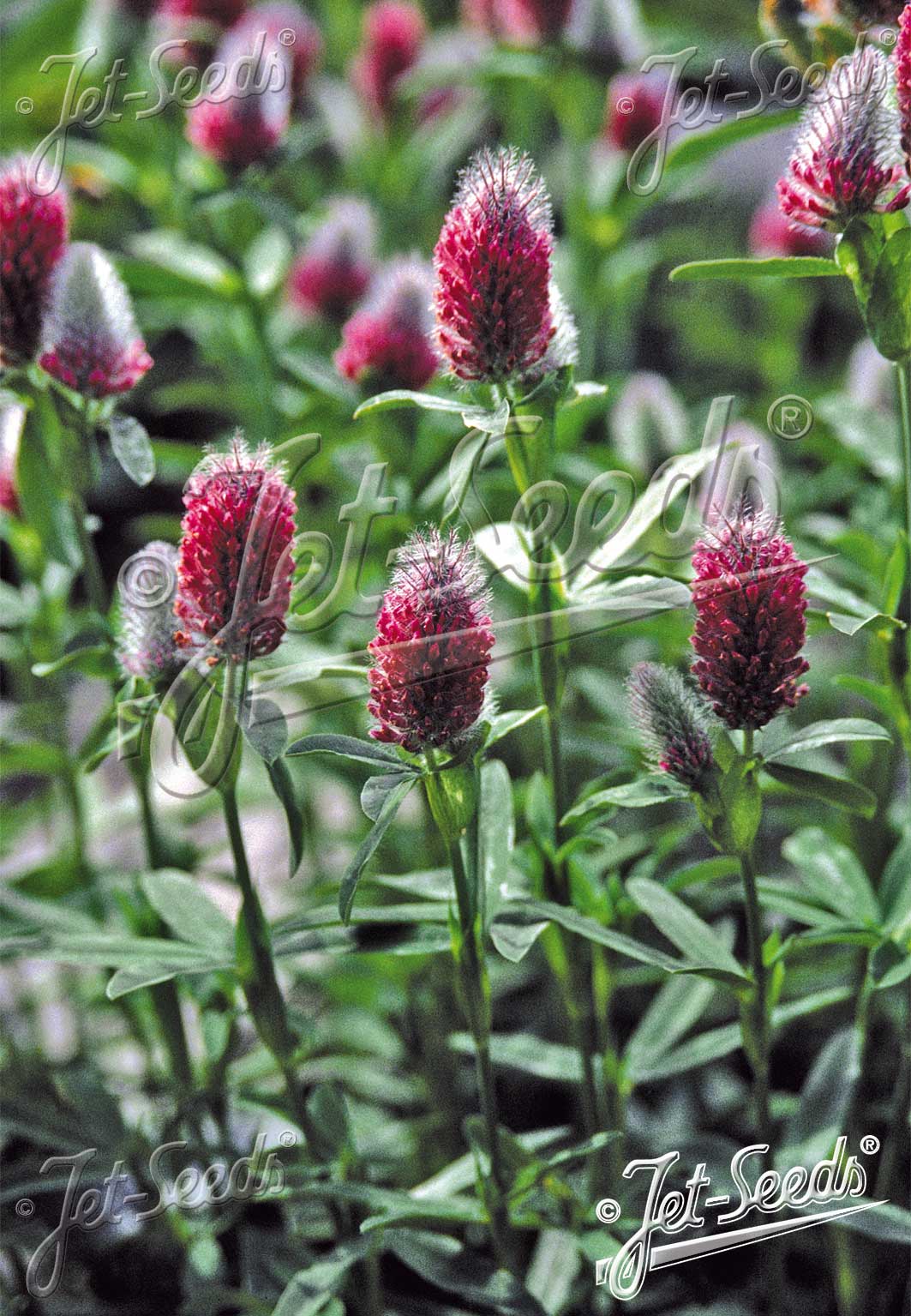
Trifolium rubens ‘Red Feathers’, commonly known as Red Feathers Clover or Ornamental Clover, is a distinctive herbaceous perennial that produces upright, plume-like flower spikes in rich rose-red to crimson-red tones. The blooms are held above clumps of attractive trifoliate green foliage, creating a soft, textural, and meadow-like appearance in the garden. Blooming from early to midsummer, this plant adds unusual form, warm colour, and naturalistic charm to borders, cottage gardens, meadow plantings, or sunny perennial beds.
Thrives in well-drained soil with dry to medium moisture. Avoid planting in heavy, wet, or waterlogged conditions. Requires minimal maintenance once established and performs best in open, sunny sites with good air circulation. Deadhead spent blooms to encourage a tidier appearance and reduce unwanted self-seeding, or leave some flower heads for natural interest. Pairs well with salvia, nepeta, echinacea, ornamental grasses, and other meadow-style perennials for a soft, wildlife-friendly garden display. Attracts bees, butterflies, and other beneficial insects. Generally avoided by deer and rabbits. Excellent for sunny borders, cottage-style landscapes, meadow gardens, pollinator plantings, cut flower gardens, or naturalized areas. Trifolium rubens ‘Red Feathers’ is a graceful and unusual perennial that thrives in sunny gardens, adding feathery crimson flower spikes and attractive clover-like foliage. Its airy texture, pollinator appeal, and naturalistic habit make it a valuable choice for informal perennial displays and wildlife-friendly landscapes.
Sun Requirements:
Full Sun to Partial Shade. Performs best in full sun, but can tolerate light partial shade, especially in warmer climates.
Maximum Growth Height:
18–24 inches (45–60 cm), with a spread of about 12–18 inches (30–45 cm).
Bloom Month:
June to July. Blooms from early to midsummer, producing rich red plume-like flower spikes that provide distinctive seasonal colour and attract beneficial pollinators.
Share