

Gardener Nation
Potentilla nepalensis 'Miss Willmott'
Potentilla nepalensis 'Miss Willmott'
Couldn't load pickup availability
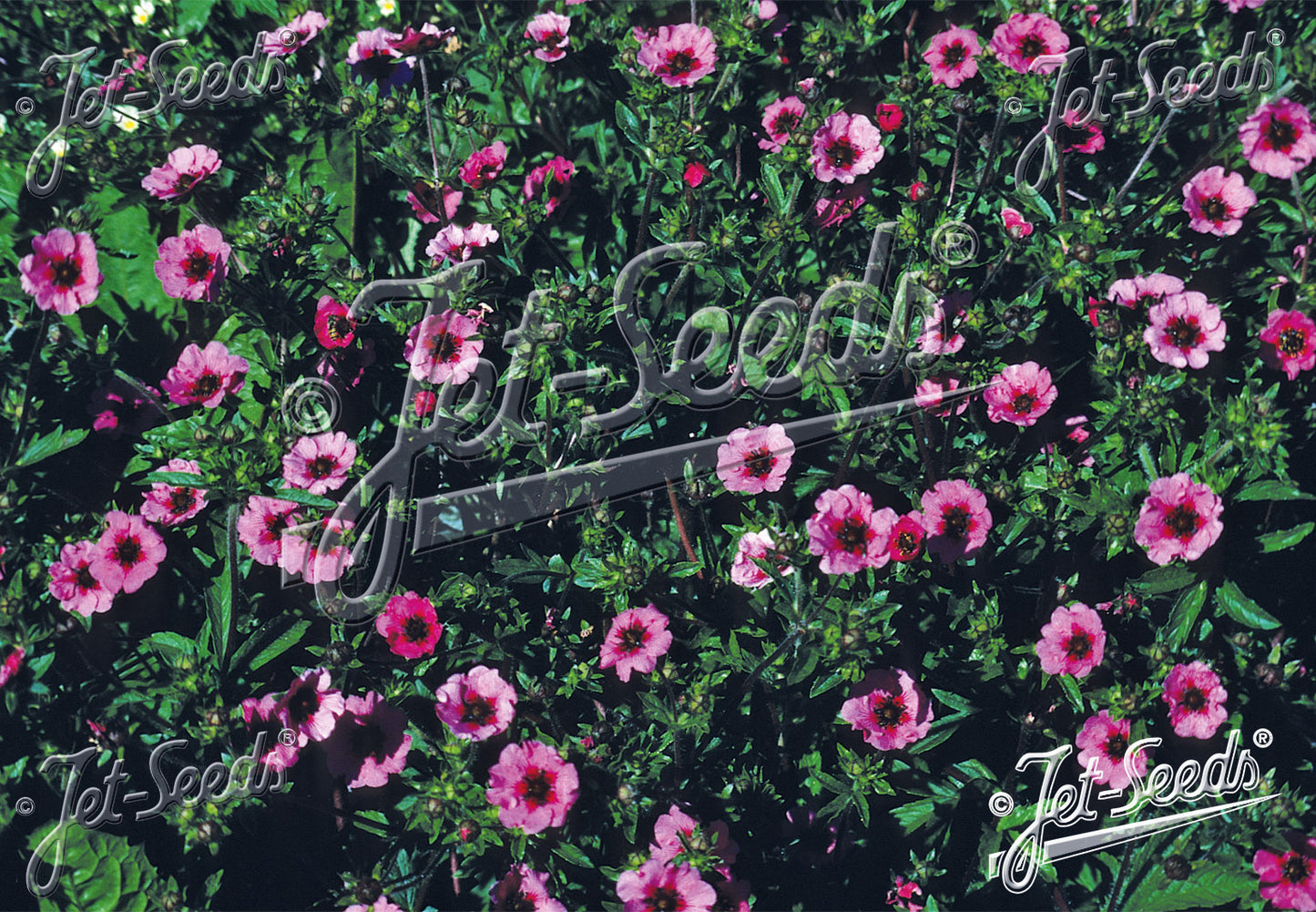
Potentilla nepalensis ‘Miss Willmott’, commonly known as Miss Willmott Cinquefoil, is a charming herbaceous perennial that produces saucer-shaped, rose-pink to coral-pink flowers with darker crimson-red centres and fine veining. The flowers are held on slender, branching stems above clumps of strawberry-like, deep green, toothed foliage, creating a soft and natural cottage garden appearance. Blooming in summer, this plant adds cheerful colour, delicate texture, and informal charm to borders, rock gardens, cottage gardens, or sunny perennial beds.
Thrives in well-drained soil with dry to medium moisture. Avoid planting in heavy, waterlogged conditions. Requires minimal maintenance once established and performs well in average garden soil. Deadhead spent blooms to encourage a tidier appearance and prolong flowering. Cut back tired foliage after flowering if needed to refresh the plant. Pairs well with nepeta, salvia, geraniums, coreopsis, and ornamental grasses for a relaxed, colorful garden display. Attracts bees, butterflies, and other beneficial insects. Generally avoided by deer and rabbits. Excellent for borders, edging, cottage-style landscapes, rock gardens, or mixed perennial plantings. Potentilla nepalensis ‘Miss Willmott’ is a graceful and easy-care perennial that thrives in sunny gardens, adding rose-pink blooms with rich red centers and a light, informal habit. Its long bloom period, drought tolerance, and cheerful flowers make it a valuable choice for low-maintenance perennial displays.
Sun Requirements:
Full Sun to Partial Shade. Performs best in full sun, but can tolerate light partial shade, especially in warmer climates.
Maximum Growth Height:
18–24 inches (45–60 cm), with a spread of about 18–24 inches (45–60 cm).
Bloom Month:
June to August. Blooms through summer, producing rose-pink flowers with darker centres that provide cheerful seasonal colour and attract beneficial pollinators.
Share