
Gardener Nation
Gaillardia Aristata Nana (Dwarf)
Gaillardia Aristata Nana (Dwarf)
Couldn't load pickup availability
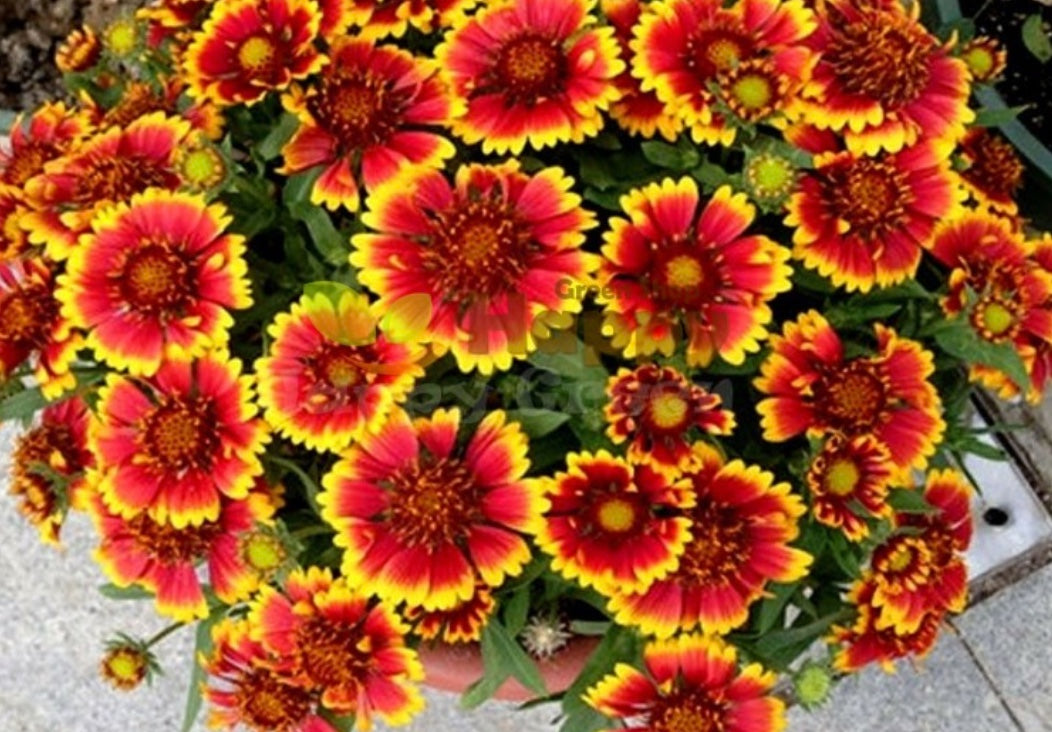
Gaillardia aristata ‘Nana’, commonly known as Dwarf Blanket Flower, is a compact herbaceous perennial that produces bright daisy-like flowers in warm shades of golden yellow, orange, and red, often with contrasting centers or banded petals. The blooms are held on sturdy stems above low clumps of gray-green to green, slightly hairy foliage, creating a cheerful and colorful appearance in the garden. Blooming from early summer into fall, this plant adds long-lasting color, heat tolerance, and pollinator appeal to borders, rock gardens, edging, containers, or sunny perennial beds.
Thrives in well-drained soil with dry to medium moisture. Avoid planting in heavy, wet, or waterlogged conditions. Requires minimal maintenance once established and shows excellent heat and drought tolerance. Deadhead spent blooms regularly to encourage prolonged flowering and maintain a tidy appearance. Cut back lightly in midsummer if needed to refresh growth and promote additional blooms. Pairs well with salvia, nepeta, coreopsis, echinacea, and ornamental grasses for a bright, drought-tolerant garden display. Attracts bees, butterflies, and other beneficial insects. Generally avoided by deer and rabbits. Excellent for borders, edging, rock gardens, cottage-style landscapes, containers, mass plantings, or cut flower arrangements. Gaillardia aristata ‘Nana’ is a dependable and colourful perennial that thrives in sunny gardens, adding vibrant blanket-like flowers over a long season. Its compact habit, drought tolerance, and continuous blooming make it a valuable choice for low-maintenance perennial plantings and hot, sunny garden sites.
Sun Requirements:
Full Sun. Performs best in full sun, where it develops the strongest growth, most compact habit, and heaviest flowering.
Maximum Growth Height:
10–12 inches (25–30 cm), with a spread of about 12–18 inches (30–45 cm).
Bloom Month:
June to September. Blooms from early summer into early fall, producing warm yellow, orange, and red flowers that provide long-lasting seasonal color and attract beneficial pollinators.
Share