

Gardener Nation
Baptisia Australis Caspian Blue
Baptisia Australis Caspian Blue
Couldn't load pickup availability
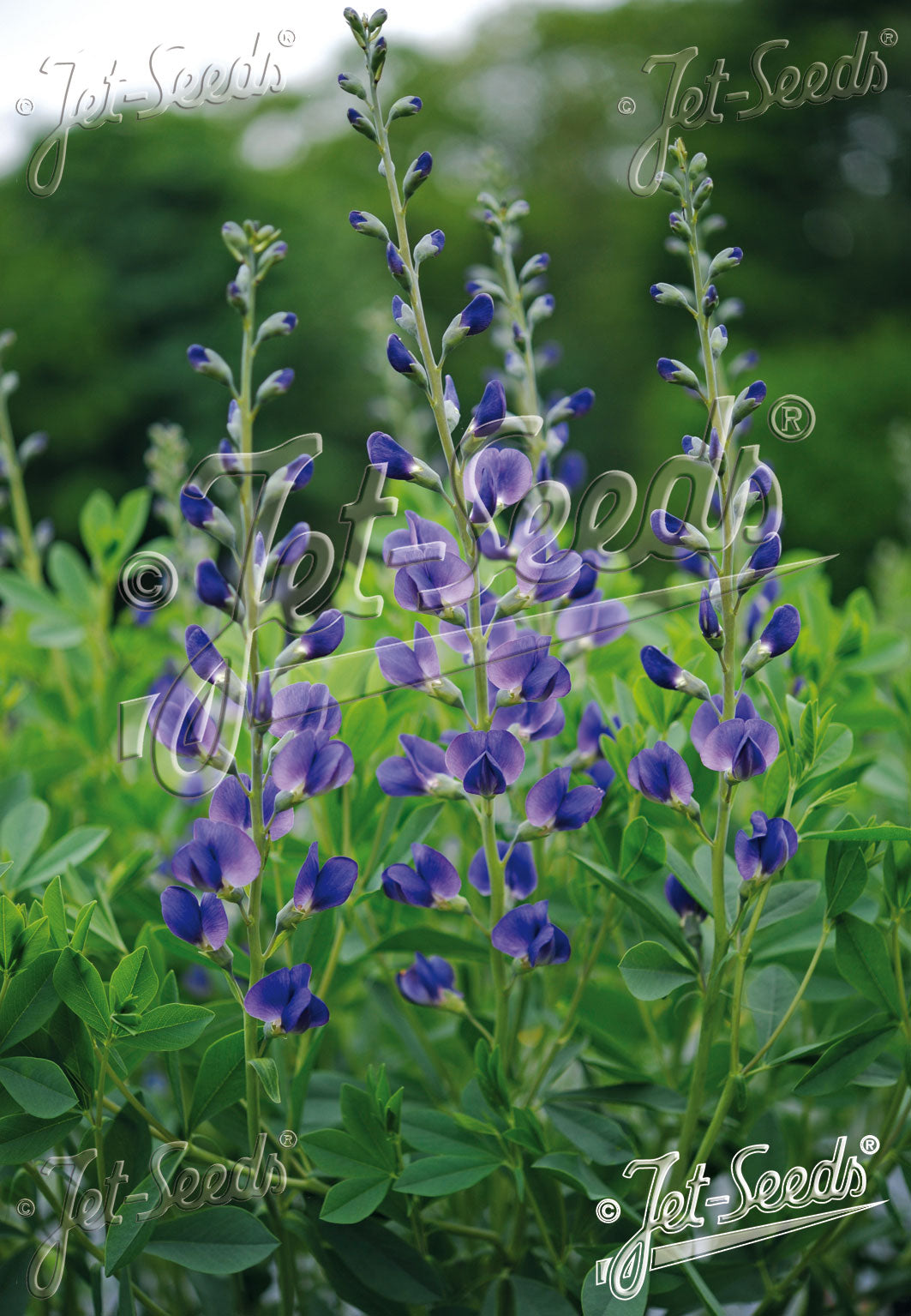
Baptisia australis ‘Caspian Blue’, commonly known as Caspian Blue False Indigo, is a striking herbaceous perennial that produces upright spikes of rich blue to violet-blue, pea-like flowers. The blooms are held above attractive clumps of blue-green, trifoliate foliage, creating a strong, shrub-like form and refined garden presence. Blooming in late spring to early summer, this plant adds elegant color, structure, and long-lasting seasonal interest to borders, cottage gardens, native-style plantings, or sunny perennial beds.
Thrives in well-drained soil with dry to medium moisture. Avoid planting in heavy, waterlogged conditions. Requires minimal maintenance once established and develops a deep root system, so it is best planted where it can remain undisturbed. Remove spent flower stems for a tidier appearance, or leave the decorative seed pods for added texture and late-season interest. Pairs well with salvia, peonies, echinacea, ornamental grasses, and alliums for a bold, layered garden display. Attracts bees, butterflies, and other beneficial insects. Generally avoided by deer and rabbits. Excellent for borders, cottage-style landscapes, native-inspired gardens, cut flower plantings, or low-maintenance perennial displays. Baptisia australis ‘Caspian Blue’ is a dependable and long-lived perennial that thrives in sunny gardens, adding vivid blue flower spikes and attractive foliage with a strong architectural habit. Its drought tolerance, durability, and low-maintenance nature make it a valuable choice for established perennial plantings and naturalistic landscapes.
Sun Requirements:
Full Sun to Partial Shade. Performs best in full sun, but can tolerate light partial shade, especially in warmer climates.
Maximum Growth Height:
36–48 inches (90–120 cm), with a spread of about 36–48 inches (90–120 cm).
Bloom Month:
May to June. Blooms from late spring into early summer, producing rich blue flower spikes that provide elegant seasonal color and attract beneficial pollinators.
Share