
Gardener Nation
Asclepias Purpurascens
Asclepias Purpurascens
Couldn't load pickup availability
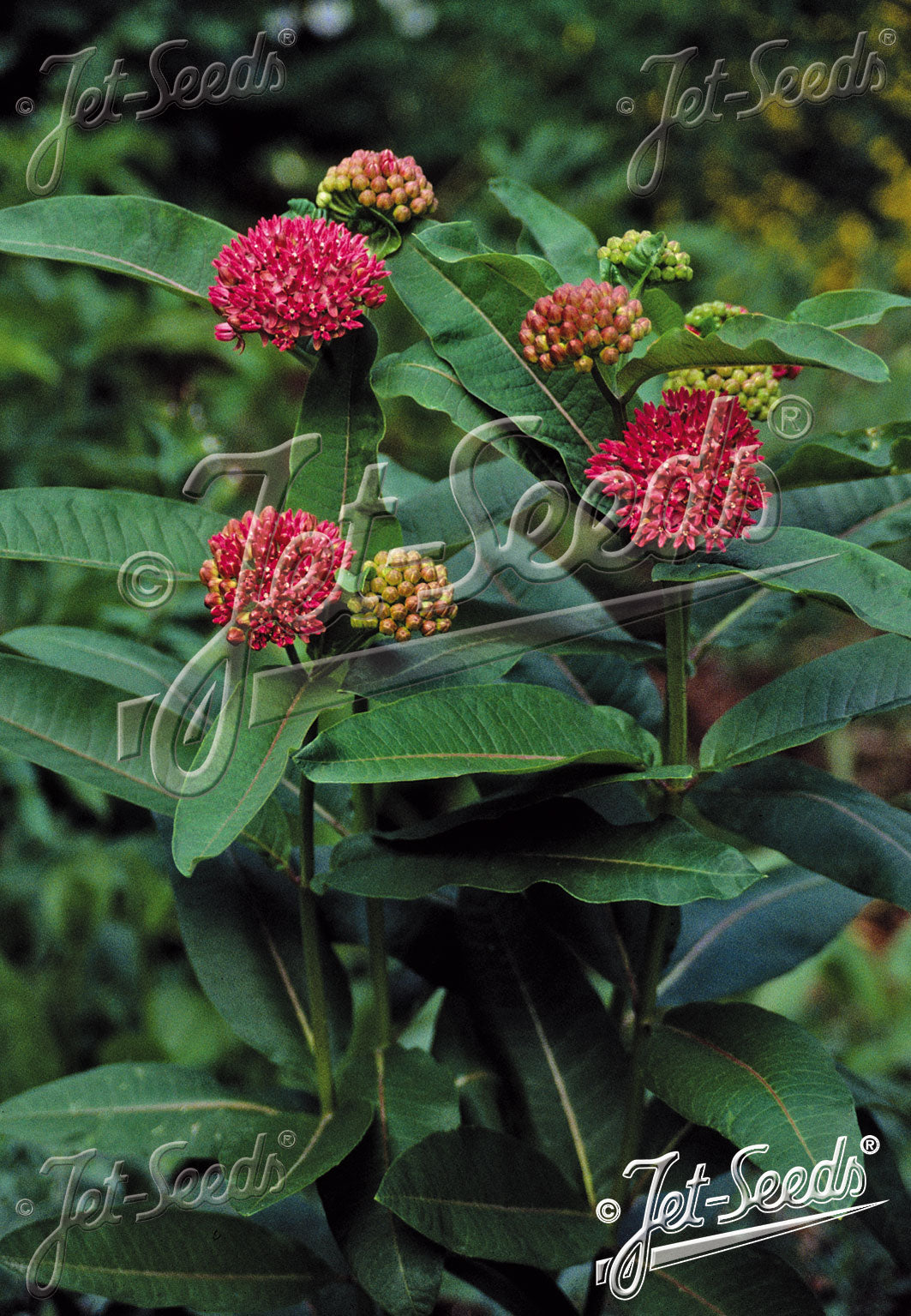
Asclepias purpurascens, commonly known as Purple Milkweed, is a beautiful herbaceous perennial that produces rounded clusters of rich rose-purple to magenta flowers with a lightly fragrant scent. The flowers are held on upright stems above broad, smooth, dark green leaves, creating a refined and natural appearance in the garden. Blooming in late spring to midsummer, this plant adds vibrant colour, ecological value, and native charm to borders, pollinator gardens, meadows, or naturalized perennial beds.
Thrives in well-drained soil with dry to medium moisture. Avoid planting in consistently wet or waterlogged conditions. Requires minimal maintenance once established and develops a deep root system, so it is best planted where it can remain undisturbed. Deadhead spent blooms if self-seeding is not desired, or leave seed pods for natural interest and wildlife value. Pairs well with echinacea, rudbeckia, liatris, and native grasses for a colourful, pollinator-friendly garden display. Attracts bees, butterflies, and other beneficial insects, and serves as an important host plant for monarch butterfly larvae. Generally avoided by deer and rabbits. Excellent for native plant gardens, sunny borders, pollinator plantings, meadows, or naturalized landscapes. Asclepias purpurascens is a valuable and eye-catching native perennial that thrives in sunny gardens, adding vivid flower color while supporting monarchs and other pollinators. Its upright habit, showy blooms, and ecological importance make it a meaningful addition to wildlife-friendly landscapes.
Sun Requirements:
Full Sun to Partial Shade. Performs best in full sun, but can tolerate light partial shade, especially in warmer climates.
Maximum Growth Height:
24–36 inches (60–90 cm), with a spread of about 12–24 inches (30–60 cm).
Bloom Month:
June to July. Blooms in late spring to midsummer, producing rounded clusters of purple-pink flowers that attract butterflies and beneficial pollinators.
Share